
Compare Local Contractors for Insulation Installation Success
Compare local contractors for insulation installation to define scope, verify experience, and set clear expectations in writing for a successful project.
Insulation installation services typically encompass the process of adding or upgrading insulation materials within a property’s walls, attic, basement, or crawl spaces. This work aims to improve energy efficiency by reducing heat transfer, which can help maintain comfortable indoor temperatures and potentially lower energy consumption. Contractors may handle various types of insulation, including fiberglass batts, spray foam, blown-in cellulose, or rigid foam boards, depending on the specific needs of the property and the scope of the project. Proper installation is essential to ensure that insulation performs as intended, preventing gaps, compression, or improper sealing that could compromise its effectiveness.
Clearly defining the scope of insulation work is crucial for property owners to set realistic expectations and ensure the project addresses specific needs. A detailed scope might include identifying areas that require insulation, selecting appropriate materials, and outlining the extent of coverage. When working with local contractors, it’s important to verify their experience with similar projects and confirm they understand the scope of work. Having a written agreement that specifies the work to be performed helps prevent misunderstandings, provides a reference point for project expectations, and ensures that both parties are aligned on the deliverables.
Property owners can compare local contractors by examining their experience, reputation, and the services they offer. Gathering information about their previous work, asking for references, and reviewing any available credentials can help gauge their reliability. It’s also beneficial to ask how they approach insulation installation, what materials they recommend, and how they handle potential issues during the project. When evaluating service providers, ensure that the scope of work is clearly outlined in writing, and seek clarity on the process and responsibilities involved. This approach helps facilitate a transparent, well-organized project, leading to a better overall experience and a successful insulation upgrade.
Compare local contractors by outlining your priorities, verifying experience, and clearly defining your project scope in writing.
- Compare Contractor Credentials - Review the experience and reputation of local contractors to ensure reliable insulation installation services.
- Define Project Scope Clearly - Establish detailed expectations and requirements in writing before work begins.
- Verify Experience and Past Work - Assess previous projects and expertise to select qualified service providers.
- Request Written Estimates and Agreements - Ensure all project details and expectations are documented to prevent misunderstandings.

Clearly describe your insulation project to help compare local contractors, define scope, verify experience, and set expectations in writing.
- Verify that the contractor clearly defines the scope of insulation installation in writing. - Ensure that the service provider specifies the types and areas of insulation to be installed.
- Check that the contractor has relevant experience with the specific insulation materials and methods required. - Look for evidence of past projects similar to the scope of the current work.
- Confirm that the contractor provides a detailed written estimate outlining the work to be performed. - A comprehensive scope of work helps set clear expectations for the project.
- Assess whether the service provider discusses insulation R-values and performance expectations upfront. - Clear communication about insulation performance ensures alignment on project goals.
- Ensure that the contractor explains any necessary preparation or conditions required before installation begins. - Proper planning and communication can prevent misunderstandings or delays.
- Compare multiple local contractors to evaluate their scope definitions, experience, and communication clarity. - Gathering information from various service providers helps identify the best match for the project.
Compare local contractors, clarify your project scope, verify experience, and set clear expectations in writing.
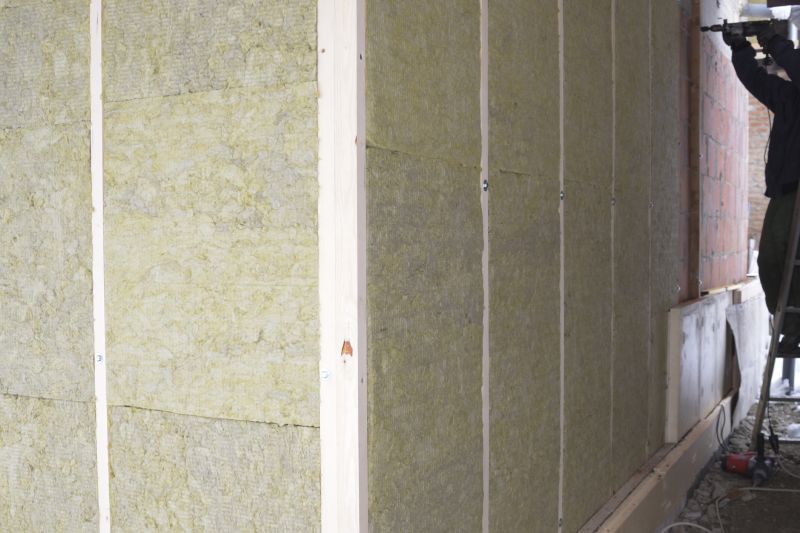

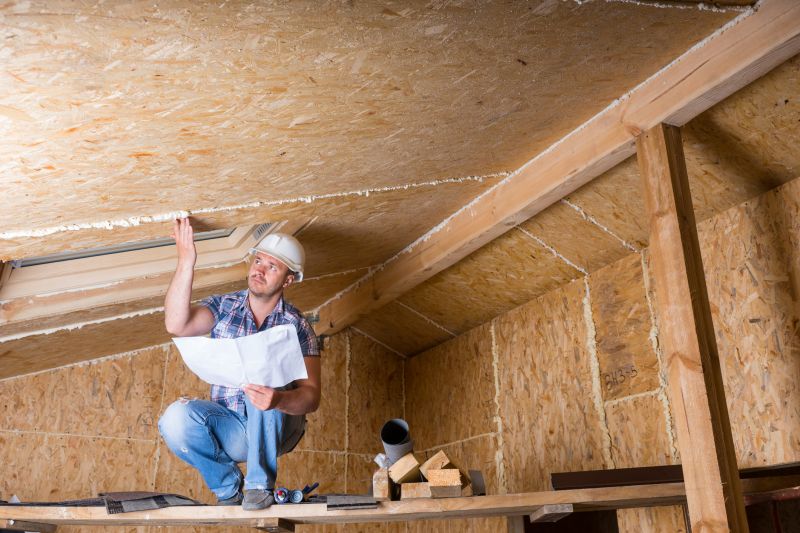
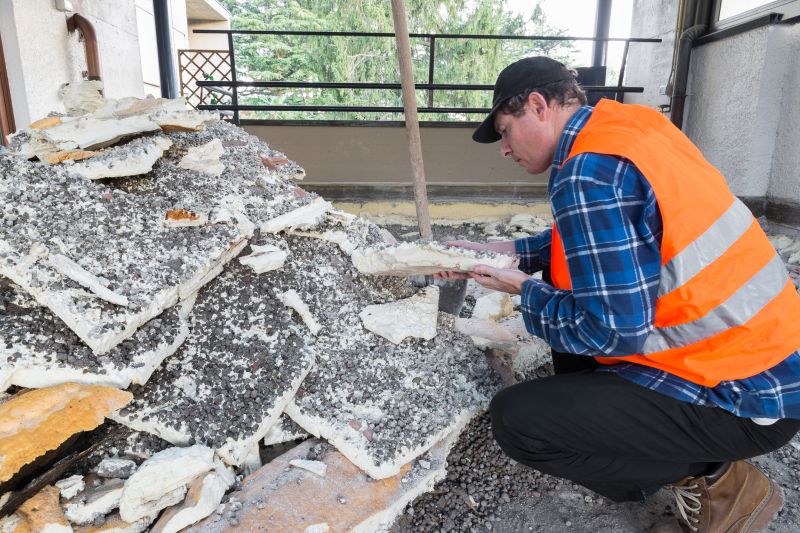
This section guides comparing local contractors for insulation installation by standardizing scope, verifying experience, and clarifying expectations.
- Scope Definition - Clearly outline the specific areas and types of insulation to be installed to ensure mutual understanding.
- Material Specification - Identify the insulation materials to be used, including R-values and product types, for consistency.
- Experience and References - Verify the experience of local contractors with similar insulation projects and review references or past work.
- Work Expectations - Establish detailed expectations for the installation process, including preparation, coverage, and finishing standards.
- Written Agreement - Document all scope details, material choices, and expectations in a written agreement before work begins.
When comparing contractors for insulation installation, it is important to consider their experience with similar projects. Homeowners should inquire about the types of insulation work the contractors have completed and whether they have handled projects comparable in size and scope. A contractor with a proven track record in residential insulation can be more likely to understand the specific challenges and requirements of the job, leading to a smoother installation process and a more reliable outcome.
A clear, written scope of work is essential for setting expectations and ensuring that both parties are aligned. Homeowners should seek detailed descriptions of what the insulation installation will include, such as the areas to be insulated, the type of insulation to be used, and any preparatory work required. Having this information documented helps prevent misunderstandings and provides a basis for evaluating whether a contractor’s approach matches the homeowner’s needs.
Verification basics involve confirming that the contractor can demonstrate their experience and familiarity with similar projects. Homeowners can ask for references or examples of completed work, and verify that the contractor understands the specific insulation methods suitable for their home. It’s also helpful to review how the contractor plans to verify the quality of the installation, such as through inspection or testing, to ensure the work meets the homeowner’s expectations.
Evaluating options without focusing on prices involves assessing how well each contractor’s proposal aligns with the project scope and their ability to deliver quality work. Homeowners should compare the clarity of the scope, the experience demonstrated through references or project examples, and the thoroughness of the proposed approach. Asking detailed questions about the methods and materials used can help gauge the professionalism of each service provider, making it easier to select a contractor who is well-equipped to handle the insulation installation effectively.
Ask contractors to provide written scope details to ensure clear expectations and consistent project understanding.
- Experience and Expertise - What experience do local contractors have with the specific insulation materials and installation methods needed for the project?
- Scope of Work - How do contractors define the scope of insulation installation to ensure all areas are covered and expectations are clear?
- Materials and Techniques - What types of insulation and installation techniques do local service providers recommend for optimal performance?
- Warranty and Guarantees - Do contractors provide written warranties or guarantees that outline the scope of their work and coverage?
- Comparison and Credentials - How can homeowners compare the experience and scope of services offered by different local contractors to make an informed decision?
How can I compare insulation contractors effectively? Research multiple local service providers by reviewing their experience, scope of work, and client references to ensure they meet your project needs.
What should I consider when defining the scope of insulation installation? Clearly outline the areas to be insulated, type of insulation material, and any specific requirements to help contractors provide accurate proposals.
How do I verify the experience of insulation contractors? Ask for details about their previous projects, years of experience, and whether they have worked on similar insulation installations in your area.
Why is it important to set expectations in writing? Having a detailed written agreement helps clarify project scope, responsibilities, and deliverables, reducing misunderstandings during installation.
What questions should I ask potential insulation service providers? Inquire about their process, the types of insulation they recommend, and how they handle project cleanup and site protection.
How can I ensure the contractor understands my insulation needs? Communicate your goals clearly, ask for detailed explanations of their proposed approach, and request written confirmation of the agreed scope.
Choosing the right contractor for insulation installation involves understanding how to compare local service providers effectively. Visitors learned the importance of defining the scope of work clearly, verifying the experience and reputation of potential contractors, and setting expectations in writing to ensure a smooth process. Utilizing the quote form allows for easy comparison of options available in the area, helping to identify the best fit for specific project needs.
By using the quote form, visitors can connect with local contractors who specialize in insulation installation and gather the information needed to make informed decisions. This approach simplifies the process of exploring different service providers, ensuring that project requirements are communicated effectively. Comparing options through this method helps to find reliable local contractors suited to each individual’s insulation needs.